|
In addition to learning about leadership in your classes, Grand View’s Mentoring Course pairs you with a professional business leader/life coach who will work with you personally on developing your leadership skills. The course includes seven weeks of online work, plus a three-day residency intensive at Grand View's campus. You can also opt for an online version to include virtual appointments with life coach.
This three-day intensive will cover leadership theory, leadership skill development, and the creation of your personal leadership plan. You will identify desired areas of growth, collaborate with a mentor/coach and develop skill sets for personal leadership development and for developing leadership in others.
The three-day intensive also includes:
- Dinner with MSOL faculty, coaches, and other students in the program
- Four individual coaching sessions with a professional leadership coach (in-person and virtual options available)
- Real perspective and examples from coaches and instructors (virtual if you opt for the online course)
- Network with the faculty and your fellow classmates (virtual if you opt for the online course)
Leadership Coaches
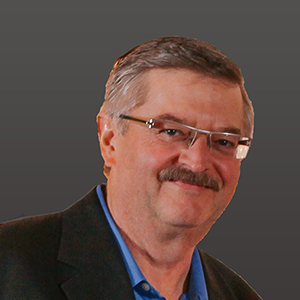 Mark Hicks earned his bachelor’s degree from Loras College. He has more than 30 years of experience building and leading high performing teams in a broad variety of business disciplines in the private label credit card industry. Mark Hicks earned his bachelor’s degree from Loras College. He has more than 30 years of experience building and leading high performing teams in a broad variety of business disciplines in the private label credit card industry.
Throughout his career, Mark has developed future leaders through individual strength-based coaching and team development via coaching clinics, mentoring programs and a variety of skill development programs. He also has experience leading teams in credit risk management, statistical scorecard development and implementation, sales relationship management, compliance and operational risk management, quality control testing, operational control development and governance, project management, data analytics, business operations technology support, and technology user acceptance testing.
Born and raised in Des Moines, Iowa, Mark has been married for more than 40 years and has four adult children and three grandchildren.
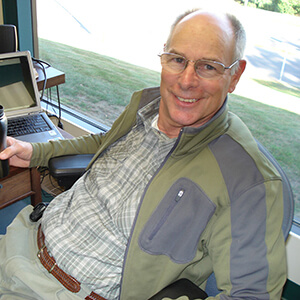 Paul Leavenworth is the president of The Convergence group, which helps facilitate leadership growth and effectiveness for high capacity, highly motivated leaders who want to leave a lasting legacy. Paul Leavenworth is the president of The Convergence group, which helps facilitate leadership growth and effectiveness for high capacity, highly motivated leaders who want to leave a lasting legacy.
Paul earned his bachelor’s degree from Oregon State University, a master’s degree in theology from Fuller Theological Seminary, and a doctorate in counseling from the College of William and Mary in Virginia. He is also a certified Life Coach with CoachNet and Leader Break/thru. He currently serves as an adjunct instructor in philosophy and religion at DMACC. He has self-published several books and discovery learning workbooks on spiritual formation, discipleship and leadership development.
Paul currently lives in West Des Moines, IA with his wife Leslie, an artist and retired nurse, and they have three adult children and two grandchildren.
|